
In today’s world, maintaining hygiene and safety has never been more important. One of the most effective methods to protect against germs is UV sterilization, a process that uses ultraviolet light to neutralise harmful microorganisms. From hospitals to homes, UV technology is trusted for its ability to kill bacteria, viruses, and mould without the need for chemicals. Whether it’s used to disinfect water, air, or everyday items, the power of UV sterilize technology has made it an essential tool for healthier living.
How UV Sterilization Works
Before exploring its many uses, it’s helpful to understand how UV sterilization actually works. The technology relies on ultraviolet light, which is part of the electromagnetic spectrum, to disrupt the DNA and RNA of microorganisms, making them unable to reproduce or cause infections.
The Science Behind UV Light
There are three main types of UV rays, each with different properties:
- UVA – The weakest form, often linked to skin tanning and ageing.
- UVB – Stronger than UVA and responsible for sunburn, but less effective for sterilisation.
- UVC – The most powerful and effective type, capable of killing up to 99.9% of germs and bacteria.
It is UVC light that makes UV sterilization so powerful, as it directly damages the DNA of microorganisms, rendering them inactive.
The Sterilization Process
When an item or surface is exposed to UVC light, the radiation penetrates the cells of bacteria and viruses, breaking down their genetic structure. The effectiveness of the process depends on factors such as exposure time, light intensity, and distance from the UV source. In most cases, sterilisation takes just a few minutes, offering a fast and reliable method of disinfection without heat or chemicals.
Applications of UV Sterilization
UV sterilization is widely used across industries and in everyday life because of its versatility and effectiveness.
Healthcare
In hospitals and clinics, UV light is used to sterilise surgical tools, medical instruments, and even entire rooms. UV disinfection systems are installed to reduce the spread of infections on surfaces, operating theatres, and high-contact areas, giving healthcare professionals an additional layer of safety.
Water Treatment
For decades, UV sterilization has played a critical role in keeping water safe to drink. By treating water with UV light, harmful microorganisms such as bacteria, protozoa, and viruses are eliminated without altering the water’s taste or chemical composition. It is also widely used in wastewater treatment to protect the environment and public health.
Food Industry
In food processing facilities, UV sterilization is used to disinfect equipment, conveyor belts, and packaging materials. This reduces the risk of contamination and extends the shelf life of food products. It is a safe, chemical-free method that helps meet strict hygiene standards in the industry.
Household Use
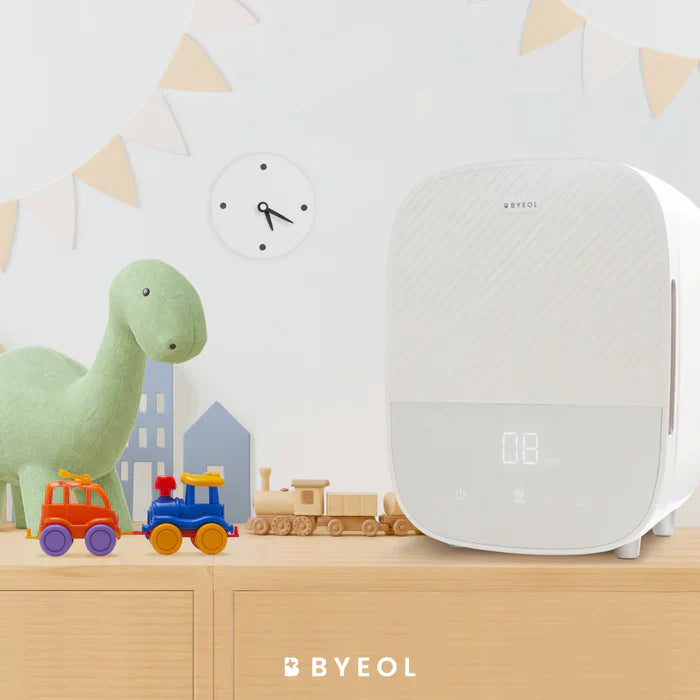
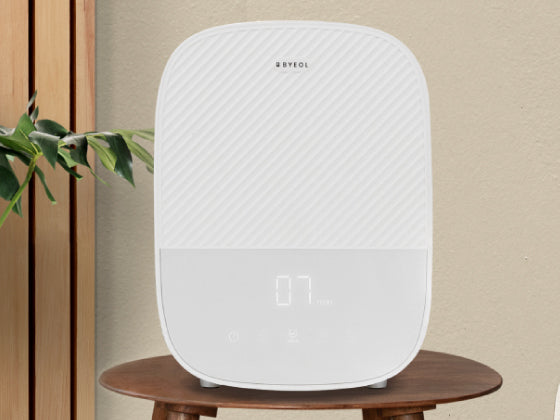
More recently, UV technology has entered households, providing parents and families with a safe way to disinfect everyday items. UV sterilizers are commonly used for baby bottles, pacifiers, and toys, while portable devices make it easy to disinfect mobile phones, kitchen counters, and bathroom surfaces.
Benefits of UV Sterilization
UV sterilization offers several clear advantages that explain why it is trusted in so many industries and homes today:
- Effective Germ Killing: Proven to eliminate a wide range of bacteria, viruses, and mould.
- Chemical-Free: Disinfects without harsh chemicals or residues.
- Environmentally Friendly: Reduces reliance on chemical disinfectants that can harm the environment.
- Energy-Efficient: Requires relatively low power to operate, making it cost-effective.
- Safe and Reliable: A trusted technology with decades of successful use in medical and industrial fields.
The Future of UV Sterilization
The future of UV sterilization looks promising as new technologies continue to emerge.
Emerging Technologies
UV-LED sterilization is gaining traction for being smaller, longer-lasting, and more energy-efficient compared to traditional UV lamps. Portable UV sterilizers are also becoming popular, offering on-the-go disinfection for personal items like phones, masks, and keys.
Potential Applications
Innovations are expanding UV’s potential into new areas, including air purification systems for offices and homes, food preservation to extend freshness, and surface disinfection in public spaces such as airports and shopping malls. These applications show how UV sterilization can play an even bigger role in improving health and safety in everyday life.
UV Sterilization: A Proven Path to Protection
From hospitals to homes, UV sterilization has become a vital technology for creating safer environments. Its ability to kill germs quickly, without chemicals or complex processes, makes it a trusted solution across industries. With innovations like UV-LEDs and portable devices, the future of UV sterilize technology will only become more accessible and effective. For families and businesses alike, UV sterilization is more than just a trend -it’s a proven step towards healthier, germ-free living.
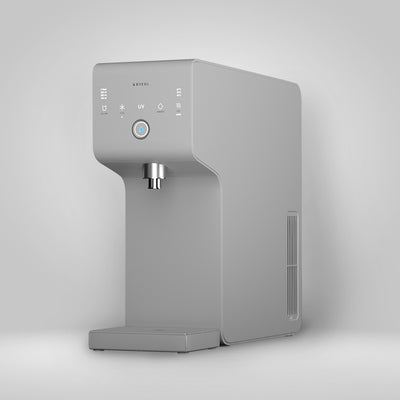
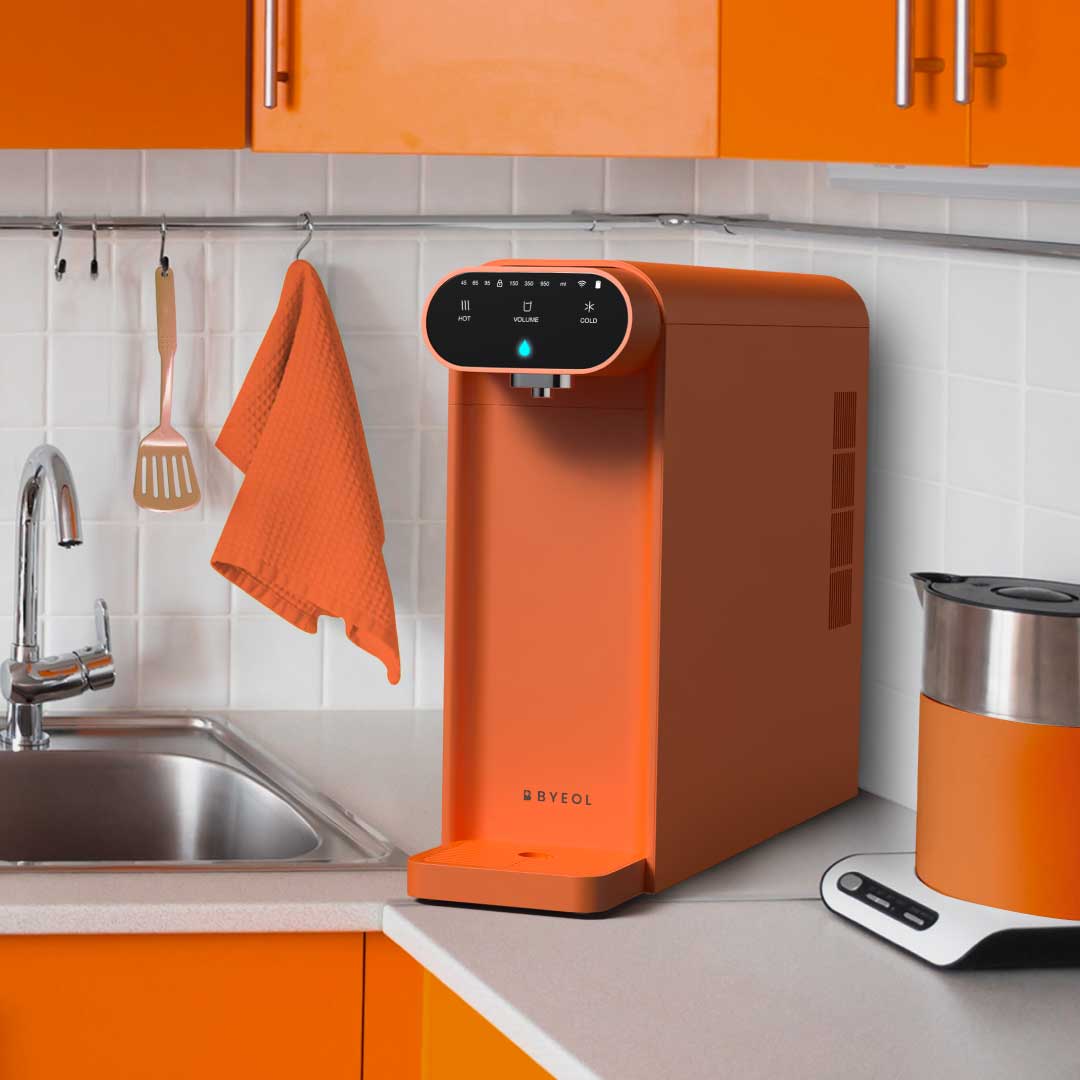
Bring the power of UV sterilization into your home -explore BBYEOL’s range of UV sterilizers and keep your family safe every day.