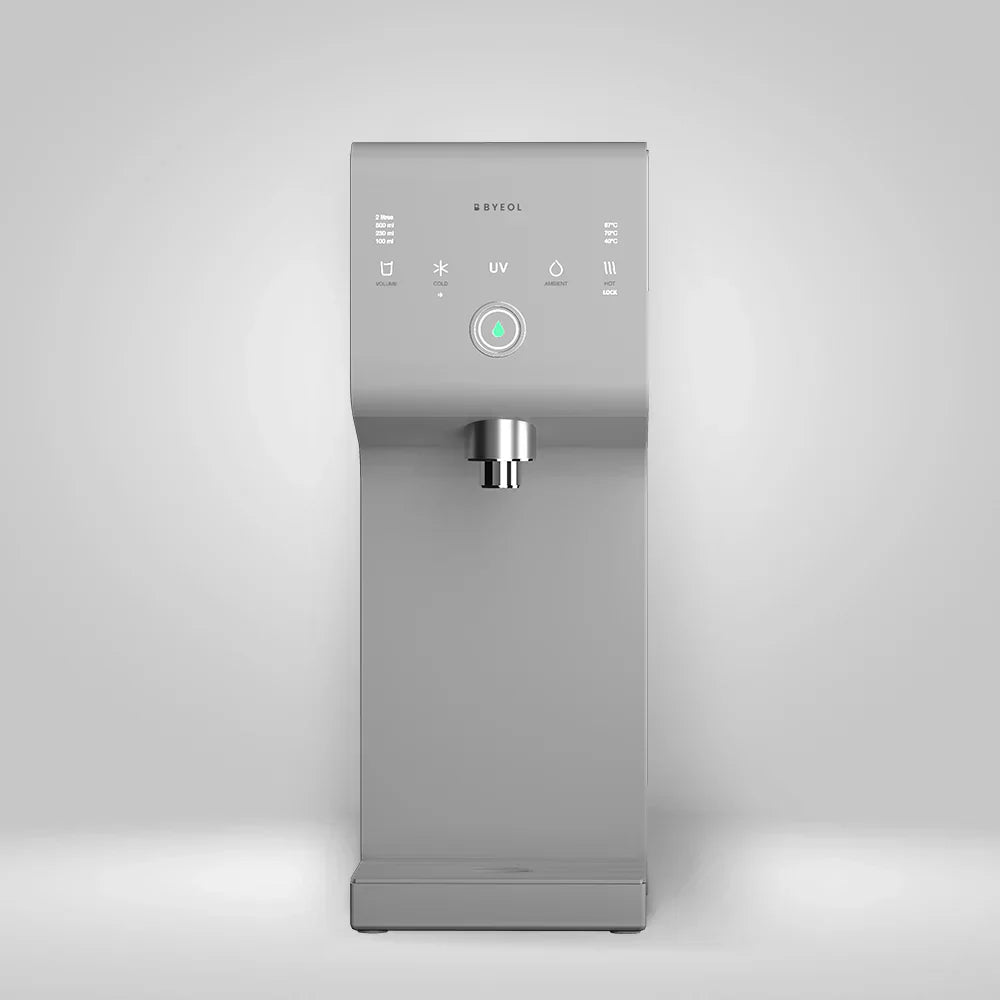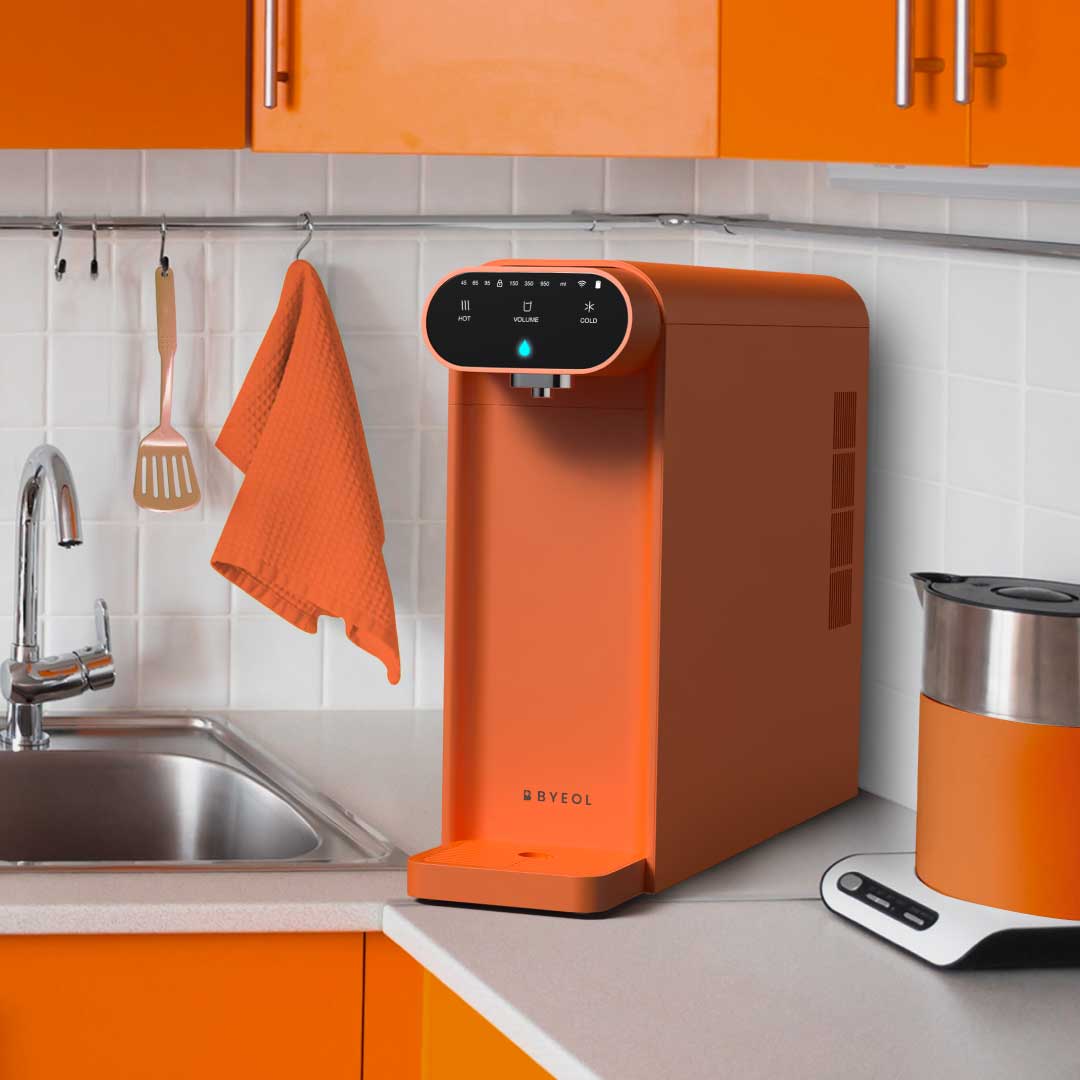
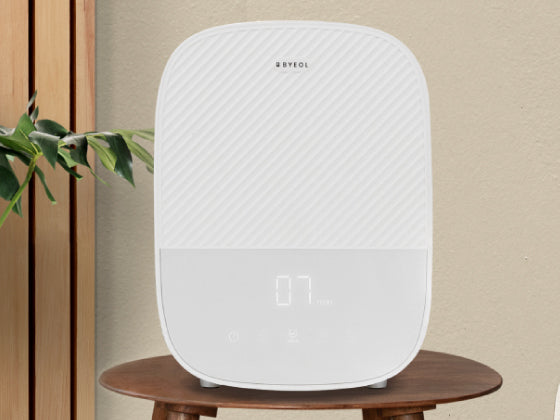

Clean water is a necessity for every household, and while Singapore’s tap water is officially safe to drink, many families still prefer an added layer of protection. Concerns such as chlorine taste, pipe sediments, or potential impurities make water filters a popular choice. Installing a reliable water filter in Singapore ensures that what you drink daily is not only safe but also fresh and pleasant-tasting.
Understanding Water Filtration Systems
Types of Water Filtration Systems
Water filters come in different setups depending on where they are installed and how much water they treat:
- Point-of-Use (POU) Systems – These are the most common, typically attached directly to a tap or built into a water filter dispenser in Singapore kitchens. They provide filtered water exactly where it’s needed, such as for drinking or cooking.
- Point-of-Entry (POE) Systems – Installed at the main water supply, these systems filter water as it enters the home, ensuring clean water flows to every outlet. They are ideal for households that want to protect plumbing and appliances as well as improve drinking water.
- Whole House Filtration Systems – Designed for complete coverage, these systems treat every drop of water used in the home, from your drinking glass to your shower. They offer the most comprehensive protection, though they require more space and investment.
Key Water Filtration Technologies
Several technologies are used in filtered water systems in Singapore, each designed to target specific impurities:
- Reverse Osmosis (RO) – One of the most thorough methods, RO removes heavy metals, nitrates, fluoride, and dissolved salts, producing exceptionally pure water.
- Ultraviolet (UV) Disinfection – UV light neutralises bacteria and viruses without adding chemicals, ensuring microbiological safety in your drinking water.
- Carbon Filtration – This method absorbs chlorine, odours, and organic compounds, improving taste and smell for fresher, better-tasting water.
- Sediment Filtration – Aimed at physical particles such as rust, sand, and dirt, this keeps water clear and protects other filters from clogging.
Choosing the Right Water Filter for Your Needs
With so many options available, the best water filter depends on your household’s unique lifestyle and concerns. Whether you’re focused on improving taste, removing contaminants, or protecting appliances, understanding your needs will help you make a smarter choice.
Factors to Consider
When deciding on a filter, it’s important to match the system with your lifestyle and water concerns:
- Water Quality in Your Area – If chlorine taste is your biggest issue, a carbon filter may be enough, but for bacteria or heavy metals, more advanced systems like RO or UV are better.
- Household Size – Larger families may benefit from higher-capacity or whole house systems, while smaller homes can rely on compact dispensers.
- Budget – Costs vary widely, from simple faucet attachments to advanced multi-stage setups. Consider both upfront price and long-term maintenance.
- Desired Water Quality – Some prefer basic improvements in taste, while others want comprehensive protection against a broad range of contaminants.
Recommended Water Filters for Different Needs
The ideal filter often depends on your priorities. From everyday taste improvements to advanced contaminant removal, here are some options that work best for different needs:
- Best Water Filter for General Use00 - For most households, carbon filters are the most practical choice. They are affordable, widely available, and effective at removing chlorine and organic compounds that cause unpleasant taste or odour. If your main goal is simply to enjoy fresher, better-tasting water without overcomplicating things, a carbon-based water filter dispenser in Singapore is a reliable everyday solution.
- Best Water Filter for Hard Water- While Singapore’s water isn’t especially hard, some areas and households may still notice limescale build-up in kettles, coffee machines, or pipes. Ion exchange filters are designed to solve this issue by softening the water. They extend the lifespan of appliances, reduce maintenance, and help prevent the unsightly mineral deposits that can affect taste and performance.
- Best Water Filter for Removing Contaminants- If your concern goes beyond taste and odour, reverse osmosis (RO) systems are the strongest option. By pushing water through a semi-permeable membrane, they block heavy metals, fluoride, nitrates, and other dissolved impurities that other filters may miss. This makes RO ideal for families who want the most complete purification, especially where water safety is a top priority.
- Best Water Filter for Improving Taste and Odour- Sometimes the issue isn’t safety but simply the flavour of your drinking water. Both carbon filters and alkaline filters are excellent at enhancing taste. Carbon filters absorb chlorine and other compounds that create an unpleasant smell, while alkaline filters raise the water’s pH and add beneficial minerals, giving it a smoother, fresher profile. For households that value hydration and taste, these filters make water more enjoyable to drink.
Water Filter Maintenance Tips
Regular Filter Replacement
Filters lose effectiveness over time, so timely replacement is essential. Depending on the type, most filters need changing every 6 to 12 months. Signs of a worn-out filter include slower flow rate, unpleasant taste, or cloudy water.
Cleaning and Maintenance
Keeping your system clean is just as important as replacing filters. Wipe and rinse the filter housing regularly to avoid sediment build-up, and sanitise the system to prevent bacterial growth.
Professional Maintenance
While many systems are easy to maintain yourself, some may require occasional professional servicing, especially multi-stage or whole house setups. Call a technician if you notice persistent odours, strange noises, or water quality issues even after filter changes.
The Benefits of Filtered Water
Improved Health
Filtered water lowers the risk of waterborne illnesses by removing harmful microorganisms and contaminants. It also supports better hydration by delivering clean, fresh-tasting water that encourages you to drink more. Many Singaporeans find that filtered water is smoother and more refreshing, making it easier to stay healthy and hydrated.
Environmental Impact
Using a filtration system also benefits the environment. By relying less on bottled water, households reduce plastic waste and lower their carbon footprint. Advanced systems like RO or tankless dispensers also use water more efficiently, supporting long-term conservation.
Cleaner Water, Healthier Living
With so many options available, choosing the right water filter in Singapore depends on your household’s needs, budget, and lifestyle. Whether you want better-tasting water, protection from contaminants, or a complete filtered water system in Singapore, there’s a solution to match. By investing in the right technology and keeping up with regular maintenance, your family can enjoy safe, clean, and refreshing water every day.
From everyday hydration to family wellness, BBYEOL has the water filter to match your needs. Start enjoying cleaner water now.